 LNEYA Industriekühler Hersteller Lieferant


Industrial Chiller vs. Industrial Freezer: How to Choose
Temperature control is a crucial part of any manufacturing plant, data center, or laboratory. Industrielle Kältemaschinen und freezers are two common types of temperature control equipment, but they differ significantly in their functions and applications.
Chillers are designed to remove heat generated by equipment and processes, while freezers are used to freeze and store temperature-sensitive materials. To learn more about the differences between the two, keep reading.
What are the functions of a Industrial chiller?

An industrial chiller is a system designed to cool a liquid, usually water or a glycol solution, for industrial processes. The liquid cooled by the chiller is then circulated through a system to remove heat from the equipment, machinery, or even entire production lines. Industrial chillers are essential in industries where precise temperature control is required, such as in electronics, pharmaceuticals, chemicals, and metal processing.
• Cooling Equipment
Chillers help maintain consistent temperatures for machinery or processes that require precise cooling to avoid overheating, ensuring optimal performance and extending equipment lifespan.
• Keeping Reactions Under Control
Many chemische Reaktionen require tightly controlled temperatures to prevent hazardous outcomes. Chillers help maintain these conditions for safe and efficient chemical manufacturing.
• Cooling process
In industries such as Spritzgießen, metal processing, and plastics, industrial chillers are used to cool molds and other equipment quickly to ensure consistent product quality and reduce cycle times.
• Energy-saving
Modern chillers are designed with energy-saving features, ensuring that your operation remains cost-effective and compliant with environmental regulations.
What are the functions of a Industrial Freezer?
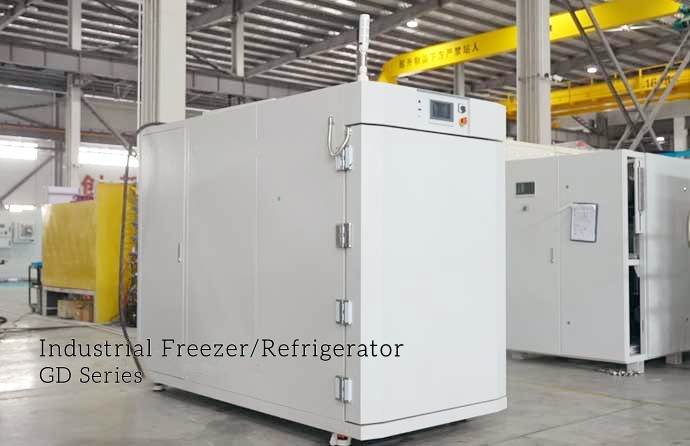
An industrial freezer, on the other hand, is designed for long-term storage and rapid freezing of materials, parts, or even products. These units operate at significantly lower temperatures than chillers, often as low as -40°C, and are essential for industrial applications that require freezing processes or long-term storage in extremely cold environments.
• Preservation of Materials
Freezers are often used in industries like pharmaceuticals or biotechnology, where materials, chemicals, or biological products need to be stored at ultra-low temperatures for preservation and safety.
• Freezing of Processed Goods
Some industrial applications require the freezing of raw materials or finished products, such as in the chemicals or automotive industries, where certain components are best stored at sub-zero temperatures.
• Cold Storage for R&D
In research and development (R&D) environments, industrial freezers are used to freeze samples, components, or specimens that are critical to scientific experimentation and testing.
Industrial Chiller vs. Industrial Freezer: What’s the Difference?
Though both an industrial chiller and an industrial freezer serve the purpose of cooling, they have significant differences in their design, operation, and ideal applications.

1. Temperaturbereich
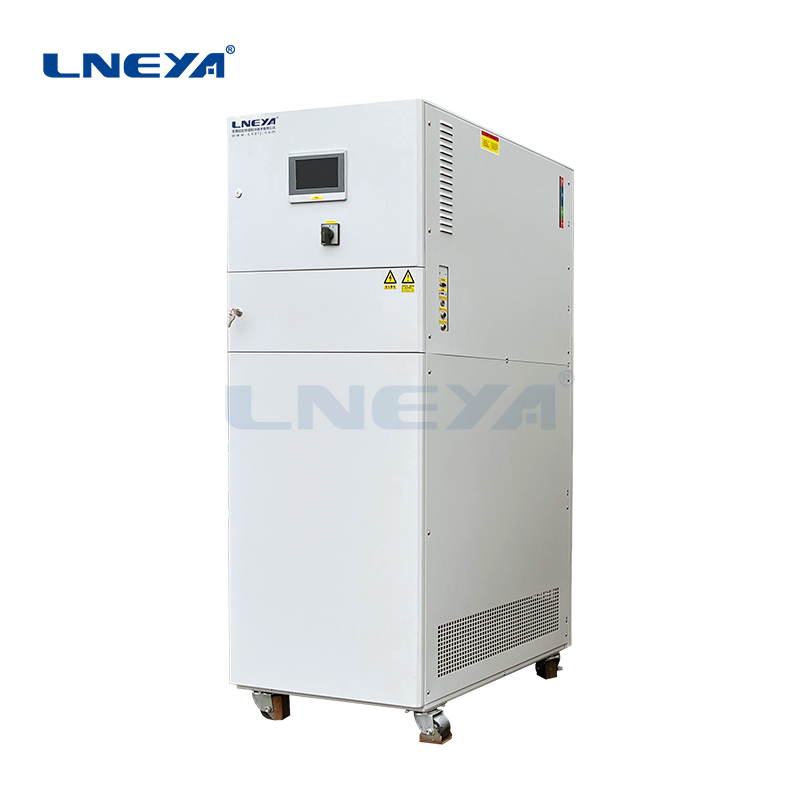
• Industrial Chillers: Typically maintain temperatures between 5°C and 35°C (Standard Industrial Chiller), ideal for cooling equipment, processes, and machinery that require a stable, cool environment but not freezing conditions.
• Industrial Freezers: Operate at much colder temperatures, generally between -20°C and -40°C, making them ideal for long-term storage, freezing materials, or maintaining extremely cold environments for sensitive goods.
2. Primary Function
• Industrial Chillers: Their primary role is cooling fluids to regulate temperature in machinery, systems, or processes. They help maintain operational efficiency by ensuring machinery doesn’t overheat or fail due to excessive heat buildup.
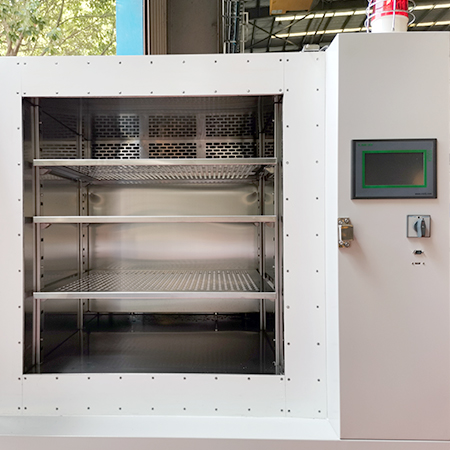
• Industrial Freezers: Designed to freeze materials or products, they’re built to handle ultra-low temperatures and are used in industries that require freezing or long-term cold storage. These freezers often feature doors that can be opened to load and unload materials.
3. Energy Efficiency
• Industrial Chillers: Generally more energy-efficient than freezers because they deal with less extreme temperature differences. Many newer chiller models use cutting-edge technologies like Antriebe mit variabler Frequenz (VFDs) to reduce energy consumption.
• Industrial Freezers: Tend to use more energy because they have to maintain sub-zero temperatures, often requiring more power to operate effectively over long periods.
4. Maintenance and Operating Costs
• Industrial Chillers: Chillers tend to have lower operating and maintenance costs due to their less complex refrigeration processes. However, regular maintenance is still necessary to ensure efficient heat exchange and prevent system failures.
• Industrial Freezers: Due to their specialized requirements (like insulation and low-temperature operation), freezers may have higher initial setup and operational costs. They also require more frequent maintenance to ensure no issues with refrigerant flow or insulation.
5. Space and Size Requirements
• Industrial Chillers: Often more compact and designed to be integrated into existing systems like cooling loops or direct equipment cooling.
• Industrial Freezers: Typically bulkier and require more space due to the need for insulation and large cooling surfaces. Freezer rooms or walk-in freezers may also be necessary, depending on the scale of the operation.
Get Your Industrial Chiller or Freezer from LNEYA
With over 15 years of experience in the cooling industry, LNEYA offers a wide range of Industriekälteanlagen und Industriegefrierschränke designed to meet the specific needs of various industries. From precise temperature control to energy-efficient systems, we provide cutting-edge solutions to keep your operations running efficiently and safely.
Contact us today to learn more about how our products can optimize your cooling systems. Our experts will guide you through the selection process and help you make the best decision for your industrial cooling needs.

Neueste Blogs
- Temperature Control in Photolithography
- Is a Used Chiller a Good Idea
- Chiller Components and Refrigeration Fundamentals Guides
- Chiller Types and Selection Guides
- How Does a Peltier Cooler Work
- Peltier Chiller vs. Compressor Chiller
- What Is a Peltier Chiller
- OEM vs Aftermarket Chiller Spare Parts
Katalog
- Dezember 2025
- November 2025
- Oktober 2025
- September 2025
- August 2025
- Juli 2025
- Juni 2025
- Mai 2025
- März 2025
- Februar 2025
- Januar 2025
- Dezember 2024
- November 2024
- Oktober 2024
- September 2024
- August 2024
- Juli 2024
- Juni 2024
- Mai 2024
- April 2024
- März 2024
- Februar 2024
- September 2023
- Juli 2023
- Juni 2023
- Mai 2023
- Januar 2023
Tag
luftgekühlte Kältemaschine Kühler Wartung von Kühlanlagen Kältemaschinen Kalte Montage Gefrierschrank Kaltwassersatz dynamisches Temperaturkontrollsystem energieeffizienter Chiller Heizungsumwälzpumpe Industriekühler Industriekälteanlagen Industriekühlung industrieller Gefrierschrank Industriekühlschrank Mantelreaktor Laborkühlschrank Niedertemperaturkühler Nachrichten Prozesskühler process cooling Reaktorkühlung Reaktorheizung Kühlung Kältethermostat Schneckenkühler Halbleiter-Kühlgerät Halbleiter-Testkühler sundi tcu Temperaturkontrolle Prüfkammer Thermostat Ultra-Niedertemperatur-Kühler Fahrzeug-Test-Kühler Kaltwassersatz wassergekühlte Kältemaschine
Kontakt
Verwandte Chiller

KONTAKT US
TEL:
EMAIL:
WeChat & WhatsApp:

Wechat QR

Haben Sie eine Frage oder benötigen Sie ein Angebot? Füllen Sie das untenstehende Formular aus, und unser Team wird sich innerhalb von 24 Stunden bei Ihnen melden.

