 LNEYA Industriekühler Hersteller Lieferant


Do You Really Need an Industrial Chiller for Your Applications
Many factories and laboratories rely on precise temperature control to maintain efficient and stable equipment. However, many still wonder: Do I really need a chiller? Can tap water or a cooling tower be an alternative?
This article explains when a Kühler is necessary, the benefits it can provide, and how to choose the right chiller for your process.
What Is an Industrial Chiller and Why It Matters
Every industrial process creates heat. Sometimes it’s small enough that ambient air can handle it. But in most modern systems such as lasers, injection molding, chemical reactions, or semiconductor equipment, the heat load grows faster than you might expect.
An industrial chiller is a refrigeration unit built to pull that heat out of your process and dump it elsewhere. It circulates a process fluid, often water or a glycol mixture, through your equipment, absorbs the excess heat, and then releases it through a condenser.
A good chiller isn’t just about cooling. Whether you’re trying to keep an etching chamber at 20°C or a mold at 15°C, the chiller keeps things steady no matter what happens in the room or outside the plant. That stability is what keeps your process consistent and your equipment safe from thermal stress.
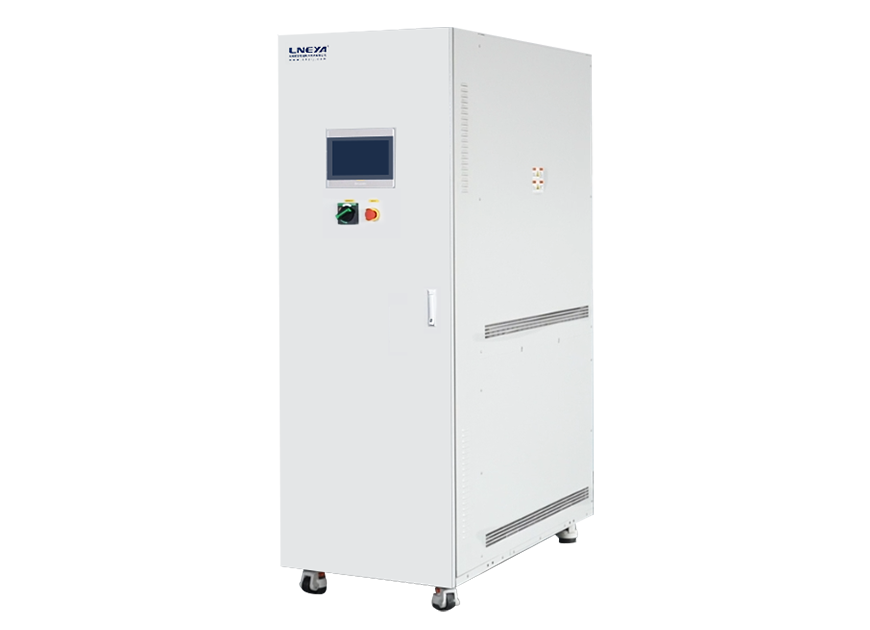
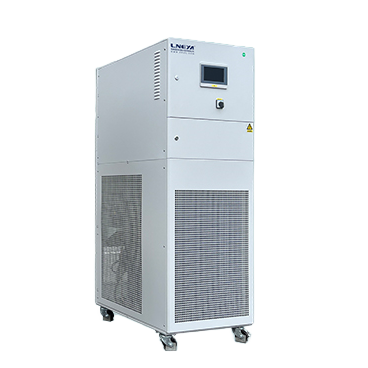
Common Misunderstanding: “I Can Use Tap Water or a Cooling Tower Instead”
We’ve heard this sentence countless times: Why not just use tap water or connect the line to a cooling tower?
On paper, it sounds cheap and simple. In practice, it’s a shortcut that often costs more in the long run. Tap water isn’t constant. It changes with the season, with local supply temperature, and even with the time of day. Those fluctuations can cause a product’s dimensions or reaction rates to drift.
Then there’s scaling and corrosion. Minerals in tap water build up inside heat exchangers, clog flow paths, and eat away at metal surfaces. It only takes a few months before flow drops and your equipment starts overheating.
Cooling towers have their own issues. They depend heavily on ambient conditions. On a humid summer day, tower water might reach 30°C or more. A chiller system gives you control that is independent of the weather, something a cooling tower can never guarantee.
Signs That Your Process Actually Needs a Chiller
So how do you know when it’s time to bring in a chiller? Here are the signs you’ll often see on the factory floor:
• Your machines trip alarms after long runs or summer days.
• Product quality changes with the season or time of day.
• Operators keep adjusting flow valves trying to maintain temperature.
• The same equipment runs perfectly in winter but overheats in summer.
• You’re using more makeup water than expected due to evaporation or leaks.
They all point to unstable process cooling. Once you reach that point, adding a chiller usually stabilizes everything overnight.
Key Benefits of Using an Industrial Chiller
Consistent Process Quality
Stable temperature means consistent output. Whether you’re curing resin, plating metal, or running a medical imaging system, the results stop drifting when temperature stops drifting.
Longer Equipment Life
Excess heat shortens the lifespan of motors, pumps, and electronic components. Keeping temperatures in the right range reduces thermal fatigue and extends the life of expensive assets.
Energy and Water Savings
Modern industrial refrigeration systems use smart compressors, variable speed fans, and energy-efficient refrigerants. Many customers see lower total power consumption compared with uncontrolled cooling tower setups.
Cleaner, Closed-Loop Operation
A closed-loop temperature control system eliminates scaling, contamination, and the need for constant water replacement. That means fewer maintenance hours and a cleaner production environment.
Types of Industrial Chillers: Which One Fits Your Application
Different applications demand different cooling strategies.
Air-Cooled Chillers
An air-cooled chiller uses ambient air to remove heat from the refrigerant. It’s self-contained, easy to install, and requires minimal maintenance. You can place it outdoors or in a ventilated mechanical room.
For small to medium heat loads, especially in locations without stable cooling water, this option is practical and cost-effective.
Water-Cooled Chillers
A water-cooled chiller transfers heat to a condenser water circuit, usually connected to a Kühlturm. It achieves higher efficiency, especially in hot climates or large industrial plants where the heat load is heavy. Although the system requires a bit more installation work, the energy savings and performance stability often justify it.
When choosing between the two, think about your local environment, Kühlleistung, and space availability rather than just the upfront cost.
How to Choose the Right Industrial Chiller for Your Needs
Selecting a chiller isn’t just about picking a size from a catalog. You need to match its design to your process characteristics.
Understand Your Heat Load
Start by calculating how much heat your process generates. This is usually measured in kilowatts or BTU per hour. Oversizing wastes money, undersizing causes instability.
Define Your Temperature Range
Know your desired inlet and outlet temperatures, as well as ambient conditions. Some chillers can maintain ±0.1°C precision; others are designed for broader ranges.
Consider Environmental and Utility Factors
Will the chiller be installed indoors or outdoors? What’s your local water quality and power supply stability? These details affect whether you choose air-cooled or water-cooled models.
Check Reliability and Support
Look for manufacturers who provide solid technical documentation, remote monitoring options, and after-sales service.
Applications That Rely on Industrial Chillers
Unter semiconductor manufacturing, chillers keep wafer etching chambers cool to nanometer-level precision. In medical facilities, MRI and CT machines depend on stable cooling to avoid magnetic drift and ensure clear imaging.
Chemical and pharmaceutical plants use chillers to control exothermic reactions, preventing dangerous temperature spikes. Even in food processing, chillers maintain consistent product texture and safety by controlling process water and air temperature.
The Right Temperature Is Key to Performance
If temperature impacts your production process, then you definitely need a chiller. You can contact LNEYA team for chiller information and technical support via the following methods:
📞Phone:+86 189 1425 3067
🌐Website: https://www.lneya.com
✉️Fill out the form to receive a quote: https://www.lneya.com/contact

Neueste Blogs
- Chiller Components and Refrigeration Fundamentals Guides
- Chiller Types and Selection Guides
- How Does a Peltier Cooler Work
- Peltier Chiller vs. Compressor Chiller
- What Is a Peltier Chiller
- OEM vs Aftermarket Chiller Spare Parts
- Chiller Surge
- Chiller Cooling Capacity Units
Katalog
- Dezember 2025
- November 2025
- Oktober 2025
- September 2025
- August 2025
- Juli 2025
- Juni 2025
- Mai 2025
- März 2025
- Februar 2025
- Januar 2025
- Dezember 2024
- November 2024
- Oktober 2024
- September 2024
- August 2024
- Juli 2024
- Juni 2024
- Mai 2024
- April 2024
- März 2024
- Februar 2024
- September 2023
- Juli 2023
- Juni 2023
- Mai 2023
- Januar 2023
Tag
luftgekühlte Kältemaschine Kühler Installation der Kältemaschine Wartung von Kühlanlagen chiller refrigerant Kältemaschinen Kalte Montage Gefrierschrank Kaltwassersatz Kühl-Heizsystem cooling system dynamisches Temperaturkontrollsystem energieeffizienter Chiller explosionsgeschützter Kühler Gefrierschrank Heizungsumwälzpumpe Industriekühler Industriekälteanlagen Industriekühlung industrieller Gefrierschrank Industriekühlschrank Mantelreaktor Laborkühlschrank Niedertemperaturkühler Nachrichten Ölkühler Prozesskühler process cooling Reaktorkühler Reaktorkühlung Reaktorkühlung Heizung Reaktorheizung Kühlung Kältethermostat Schneckenkühler Halbleiter-Kühlgerät Halbleiter-Testkühler sundi tcu Temperaturkontrolle Prüfkammer Thermostat Ultra-Niedertemperatur-Kühler Fahrzeug-Test-Kühler Kaltwassersatz wassergekühlte Kältemaschine
Kontakt
Verwandte Chiller
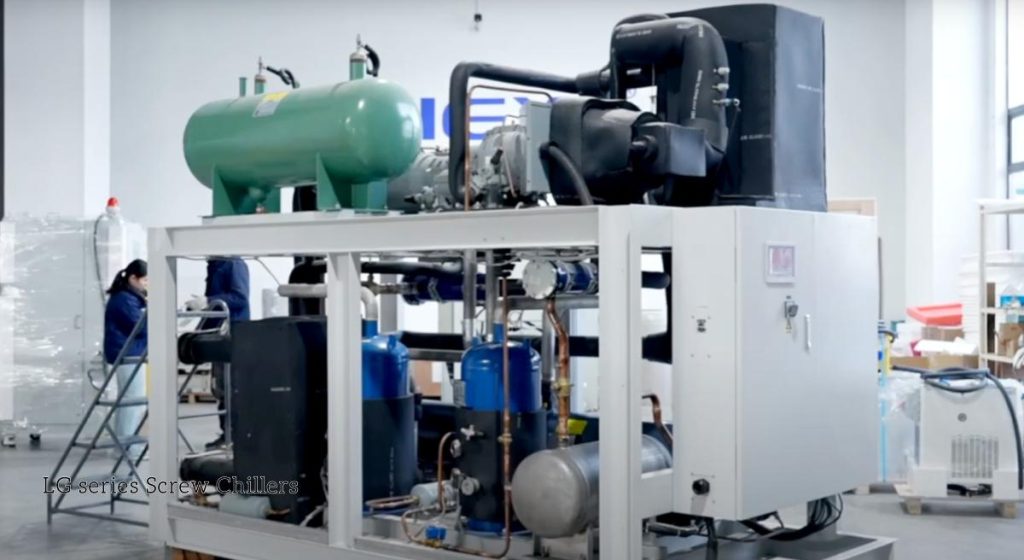

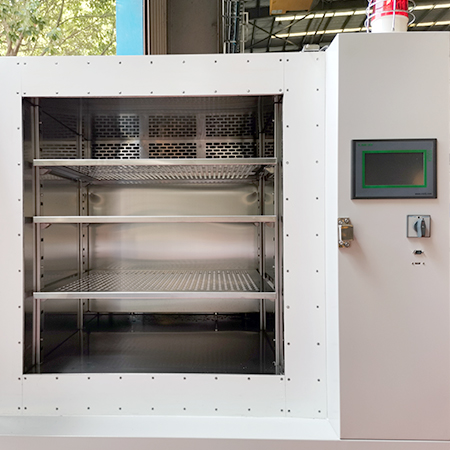

KONTAKT US
TEL:
EMAIL:
WeChat & WhatsApp:

Wechat QR

Haben Sie eine Frage oder benötigen Sie ein Angebot? Füllen Sie das untenstehende Formular aus, und unser Team wird sich innerhalb von 24 Stunden bei Ihnen melden.

