LNEYA Industriekühler Hersteller Lieferant


Ursachen für die verringerte Wärmeübertragungswirkung von vertikalen Ultratiefkühlschränken
If the outer frost layer of the vertical ultra-low temperature refrigerator is too thick or excessively dusty, it may cause the external temperature of the equipment to be mostly lower than 0, resulting in low heat transfer efficiency of the evaporator. Because the vertical ultra-low temperature refrigerator has relatively high humidity, the moisture in the air is easy to frost on the surface of the evaporator, and even freezes, which affects the heat transfer effect of the evaporator. In order to prevent the outer frost layer of the evaporator from being too thick, it needs to be timely Defrost.
Vertical ultra-low temperature refrigerators have two convenient defrosting methods: stop defrost, that is, stop the compressor operation, open the vertical ultra-low temperature refrigerator door, let the temperature rise, and then restart the compressor after the frost layer is automatically melted. Another is the cream. After the contents of the refrigerator are carried out, the surface of the evaporator tube is directly washed with tap water having a relatively high temperature to dissolve or fall off the frost layer. In addition to the excessive frosting, the heat transfer effect of the evaporator is not good. The appearance of the evaporator is too thick due to temporary uncleaning, and the heat transfer efficiency is also significantly reduced.
Vertical ultra-low temperature refrigerators have poor heat insulation and heat preservation effects, which can also lead to poor heat transfer effect, poor heat insulation and heat preservation effect, and poor heat insulation performance because the thickness of the insulation layer of the pipeline is insufficient. Mainly due to the improper selection of the thickness of the insulation layer when designing the vertical ultra-low temperature refrigerator or the poor quality of the insulation data during construction. In the process of construction, the insulation moisture-proof function of the insulation data may be destroyed, resulting in moisture, deformation and even erosion of the insulation layer. The heat insulation capacity is reduced, the loss of the refrigerator’s cooling capacity is increased, and the temperature drop is significantly slowed down.
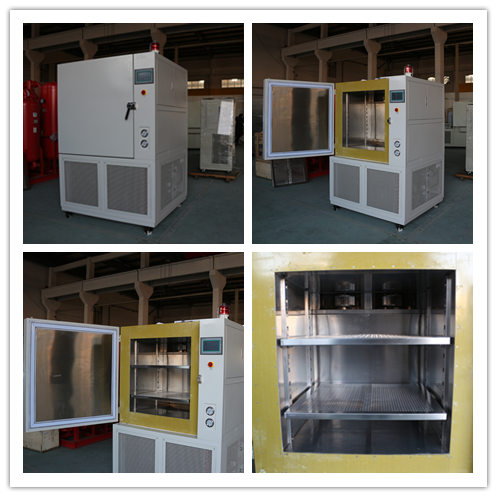
Another important reason for the large loss of cold is that the vertical ultra-low temperature refrigerator has poor sealing performance, and more hot air invades the equipment from the leak. Generally, if condensation forms on the seal of the vertical ultra-low temperature refrigerator door or the seal of the cold storage wall, it means that the seal is not tight. In addition, frequent switching of the vertical ultra-low temperature refrigerator door or more people into the equipment together will also increase the cooling capacity of the warehouse. The refrigerator door should be prevented from opening as much as possible to prevent large amounts of hot air from entering.
Analysis of these situations, I hope to help the work of my peers, and develop detailed working conditions and maintenance instructions for the vertical ultra-low temperature refrigerator.
Verwandte Empfehlungen
-

Characteristics of Industrial Constant Temperature Recirculating Chiller
2171Points for attention in the use ofindustrial constant temperature recirculating chillerIndustrial constant temperature recirculatingchillers are widely used in pharmaceutical, chemical and laboratory. Next,let's introduce the characteristics...
Details anzeigen -
Energy Conservation is Crucial for Developing Ultra Low Temperature Recirculating Chillers
3110With the continuous development of chemical, refrigeration and pharmaceutical industries, environmental pollution is put on the agenda earlier. As an editor of which is the industrial chiller, I can say that except for corresponding to the environ...
Details anzeigen -
Operation and maintenance of chiller cooling system for alternating high and low temperature tests
1772The operation method of the chiller cooling system for alternating high and low temperature tests: 1. Confirm whether the state of the relevant valves in the unit meets the start-up requirements. 2. Supply power to the electrical control device o...
Details anzeigen -
Precautions for cooling and heating during operation of various reactors
1503In many laboratories, various reaction vessels of chemical companies are indispensable reaction vessels, and its operating temperature: -80°C-250°C. The laboratory reactor works at normal temperature, and cooling water must be passed normally to a...
Details anzeigen