 LNEYA Industriekühler Hersteller Lieferant


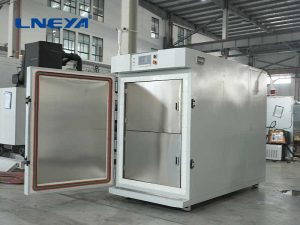
How to Choose an Ultra-Low Temperature Freezer for Your Lab
921Learn how to choose an ultra-low temperature (ULT) freezer for your lab. Safely store biological samples, vaccines, and sensitive materials at -40°C to -86°C.
Details anzeigenSuche im gesamten Bahnhof
Learn how to choose an ultra-low temperature (ULT) freezer for your lab. Safely store biological samples, vaccines, and sensitive materials at -40°C to -86°C.
Details anzeigen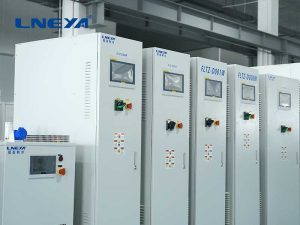
Spindle chiller controls CNC spindle temperature and improves machining precision. Learn how to choose air or water cooled chillers for your workshop.
Details anzeigen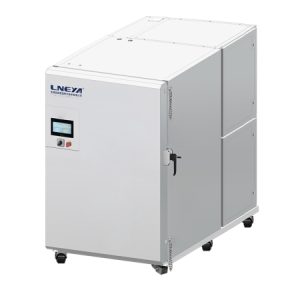
Prevent frost buildup in industrial freezers with proper seals, airflow, and maintenance. Learn key causes and effective prevention tips.
Details anzeigen
Maintain CNC precision with spindle chillers. Learn how they prevent overheating, improve accuracy, and extend tool life in high-speed machining.
Details anzeigen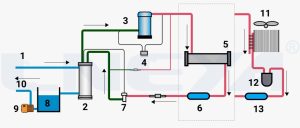
In a chiller system heat travels from the process you care about to the outside air or cooling water. Problems happen when one link in that path underperforms. This from will walk you through the full heat transfer chain.
Details anzeigen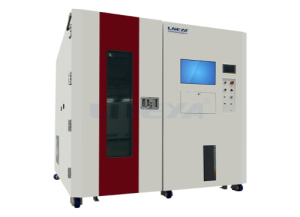
Learn how to choose the right test chamber for your testing needs. Explore key factors like temperature range, humidity control, size, and cost.
Details anzeigen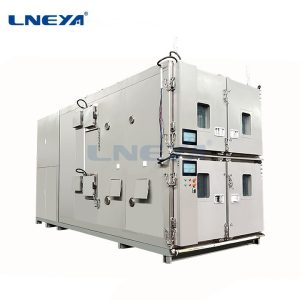
Learn what a test chamber is, how it works, and the types used in product testing. From temperature and humidity chambers to vibration and altitude testing, discover which suits your needs.
Details anzeigen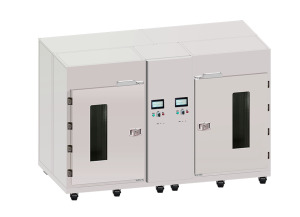
When you run a thermal test, the chamber must be fair to every sample. This article explains why temperature uniformity is an important characteristic for test chambers.
Details anzeigen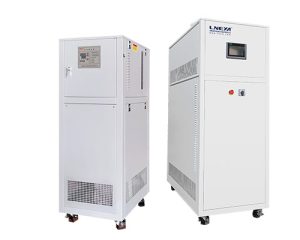
Heating circulator is a heating system commonly used in industrial applications to control the temperature of the process. This article explains its definition, structure, principle and application.
Details anzeigen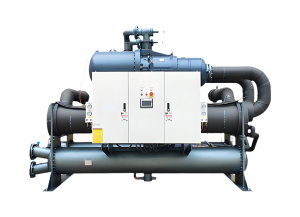
Find out when a screw chiller is the best option for your plant. Covers capacity thresholds, continuous operation, and ROI.
Details anzeigen
