LNEYA Industriekühler Hersteller Lieferant


Install a refrigeration unit for the circulating cooling water of the quenching tank
The quenching tank is a container filled with quenching medium. When the workpiece is immersed in the tank for cooling, it must be able to ensure that the workpiece is uniformly quenched at a reasonable cooling rate. It is a container that provides sufficient cooling capacity for the quenching of the workpiece to meet the technical requirements .
The quenching tank structure is relatively simple, mainly composed of tank body, medium input or discharge pipe, overflow tank, etc., and some are additionally equipped with heaters, coolers, stirrers and smoke exhaust fire prevention devices. The temperature of the quenching medium is one of the important factors affecting the quenching effect of the workpiece. Therefore, strictly controlling the temperature of the medium in the quenching tank is a measure to ensure the quality of heat treatment.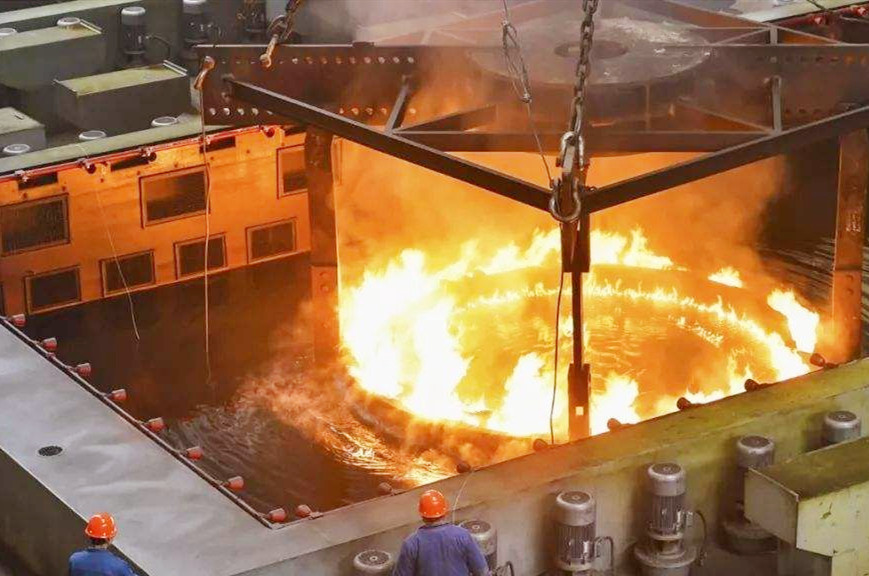
There are mainly three types of quenching tanks, oil tanks and bath tanks on the market. Here we mainly talk about the quenching tank. According to the cooling method, the water-cooling type has higher cooling efficiency, but because the temperature of the cooling water needs to be controlled, a sufficiently large cooling pool must be established. At the same time, the circulating cooling of the cooling water also requires the addition of a chiller unit to the quenching tank.
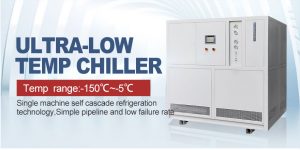
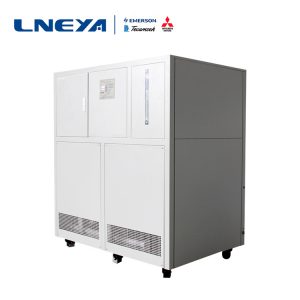
For large production batches, continuous production or large quenching tanks, the heated quenching medium is discharged into the cooling system for circulating cooling. Circulating replacement cooling water consumes a lot of resources, so additional refrigeration units are good news for manufacturers. The refrigeration temperature range of LNEYA cycle refrigeration unit is -150°C to -5°C, which can meet the needs of different refrigeration temperatures. The refrigeration speed is fast and can be frozen to -120°C within 3 minutes after stable operation. LNEYA provides equipment on-site installation and system testing. Users only need to complete the installation of refrigerant and cooling water.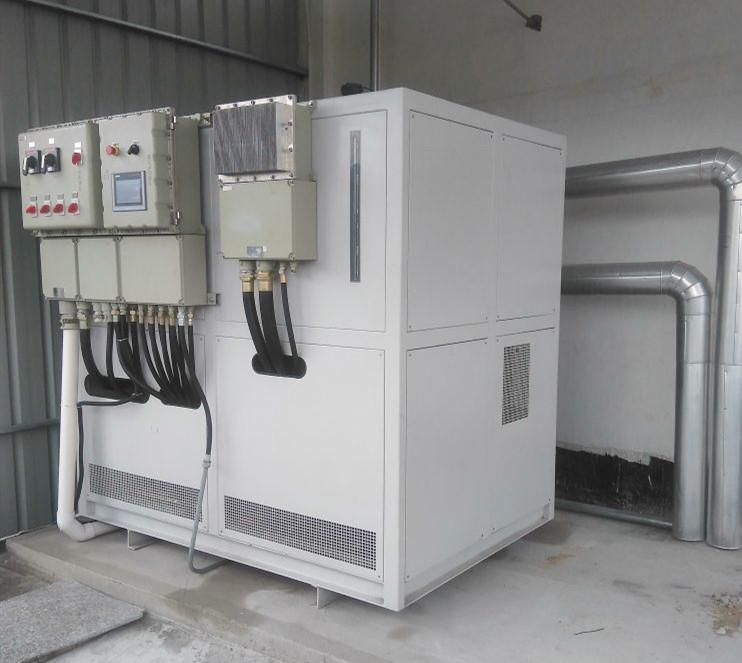
Verwandte Empfehlungen
-

Vorsichtsmaßnahmen für die Verwendung einer Kühlfalle mit einem kryogenen Flüssigkeitsbad von minus 95 Grad
1673Die Minus 95 Grad niedrige Temperatur Flüssigbad Kühlfalle (das heißt, der Kühlschrank, dass wir oft sagen) ist ein gemeinsames Kühlgerät in Kühlanlagen. Die rationelle Verwendung des Gerätes kann nicht nur den Ausfall des Gerätes zu vermeiden, sondern auch ma...
Details anzeigen -
Wie kommt es zu Ablagerungen bei der Nutzung des Kühlers?
1379Ein Kaltwassersatz ist ein wassergekühltes Gerät, das mit Hilfe eines Wasserkreislaufs für eine konstante Temperatur, einen konstanten Durchfluss und einen konstanten Druck des Kühlwassers sorgt. Das LNEYA-Kaltwassersystem hat sein eigenes Funktionsprinzip, d.h. eine bestimmte Wassermenge wird...
Details anzeigen -
Guidelines for Safe Use and Maintenance of Ultra-Low Temperature Freezer
15091. It is necessary to understand the influence of environment on refrigerators.2. Familiar with basic operation, maintenance and maintenance knowledge3. Develop good habitsLet the refrigerator breathe freely;Let the air around the refrigerator ci...
Details anzeigen -
You Know What Technical Problems You Need to Know before You Buy A Low Temperature Chamber
1335Question 1: Is the temperature change rate of temperature impact test the faster the better? Explanation: Is the temperature change rate faster and better in the temperature impact test? Does the temperature change rate have any effect on the tes...
Details anzeigen